Panel quality and testing
Plain English. Last reviewed October 2026.
Certificates every panel should have
- IEC 61215: checks a panel keeps working after being stressed by heat, cold, damp, weight and hail.
- IEC 61730: checks the panel is safe, with no electric shock or fire risk.
- Independent labs such as TÜV, Kiwa and others test panels against these standards. Look for a certificate from a named lab on the panel's data sheet.
- In the UK, your installer should use MCS-listed panels.
These certificates are a minimum pass mark. They don't tell you which panels last longest. That's why some labs run tougher, longer tests.
The tough tests (what they mean)
| Test | What it copies |
|---|---|
| Thermal cycling | Years of hot days and freezing nights |
| Damp heat | Long periods of heat and humidity |
| Mechanical load | Snow weight and strong wind |
| Hail | Ice balls fired at the glass |
| PID (potential-induced degradation) | Power loss caused by high voltage over time |
| UV (and UVID) | Damage from sunlight |
| LID / LETID | Early power loss in the first months |
Independent scorecards
- Kiwa PVEL 2026 Scorecard (12th edition, May 2026): 43 makers were "Top Performers" in at least one test, but no single model passed every test at the top level. Failures hit a record high: 87% of makers had at least one failure, and 45% had a major delamination fault (layers coming apart). Top Performers include Aiko, Canadian Solar, JA Solar, Jinko, LONGi, Qcells, Trina, Tongwei, Waaree and Yingli (full list).
- RETC PV Module Index 2026: 13 "Overall Highest Achievers": Imperial Star, JA Solar, JinkoSolar, LONGi, Qcells, Runergy, SolarSpace, Thornova, Trina, VSUN, TW Solar, Waaree and Yingli. RETC also found UV damage that didn't go away.
- Note: these lists only name the best makers. The ones that did badly usually aren't named publicly, and makers choose whether to send panels in for testing at all.
Ageing and warranties
- Good panels typically lose about 0.3–0.5% of their power a year, after a slightly bigger drop in the first year.
- Common warranties are 25 to 30 years on power output (often about 85–90% left at year 25–30), and 12 to 25 years on the product itself. Check what the data sheet says.
Looking after your panels
Solar panels need very little looking after. A few simple habits help them last and keep working well.
Cleaning
Rain washes most dirt off. Now and then (every year or two), panels may need a gentle clean, especially if they're low-tilt or near trees, roads or farms. Use soft water and a soft brush. Don't use a pressure washer or harsh chemicals. If the panels are hard to reach, use a professional cleaner rather than climbing on the roof.
Routine checks
- Check your app or inverter screen every month or so. A sudden drop in output on a sunny day can mean a fault.
- Have an electrician check the system every few years. They look at cables, isolators and connections.
- Inverters usually last 10–12 years, so expect to replace one during the life of your panels.
Our payback calculator allows for cleaning, an electrical check and an inverter replacement in its look-back figures.
Known failures and recalls
- Cracking backsheets (the plastic on the back of the panel): panels from about 2010–2014 with polyamide ("AAA") backsheets have cracked in the field. This lets moisture in and causes electrical faults (EPJ Photovoltaics study, NIST).
- UK safety warning: Schüco panels (2022). The UK Office for Product Safety and Standards rated Schüco modules with "Ico-solar 3554" backing foil (MPE 175–220 PS/MS 05) a high risk of electric shock. They must be isolated or removed. Switching off the inverter isn't enough (GOV.UK report).
Dramatic durability demos and real storms
| Who / where | When | What happened | Source |
|---|---|---|---|
| Tesla Solar Roof, Wichita Falls, Texas (home owner and installer Good Faith Energy) | April 2021 | 20–30 minutes of golf-ball to baseball-sized hail. The owner reported no significant damage and normal power output the next day. This is one owner's story, not a lab test | Electrek |
| Counterexample: Fighting Jays solar farm (350 MW), Fort Bend County, Texas | 15 March 2024 | A hailstorm smashed thousands of panels. A viral helicopter video was confirmed real. The farm kept running at reduced output | KHOU Verify, Houston Chronicle |
| Midway Solar, Pecos County, Texas | 2019 | Hail damaged over 400,000 panels. Insurance losses were over $75 million | Houston Chronicle |
| Kiwa PVEL hail test (lab) | 2026 Scorecard | Ice balls of 40–55 mm fired at panels. Breakage was the most common failure, and thinner glass breaks more easily | Kiwa PVEL |
What this means: panels are tough, but big hail can break them. UK hail is usually small. Check your home insurance covers your panels.
Myth check: we couldn't find any SolarWorld video showing a Mini Cooper driven or parked on solar panels. SolarWorld did sponsor the SolarWorld GT, a solar-powered car built by Bochum University that drove around the world in 2011–2012 (pv magazine). That may be what people remember.
What to ask your installer
- Is the panel certified to IEC 61215 and 61730, and MCS-listed?
- Has this model been a Kiwa PVEL or RETC top performer?
- What are the product and power warranties, and who backs them if the maker goes bust?
- Does it have a glass back (glass-glass) or a plastic backsheet?
Real installs
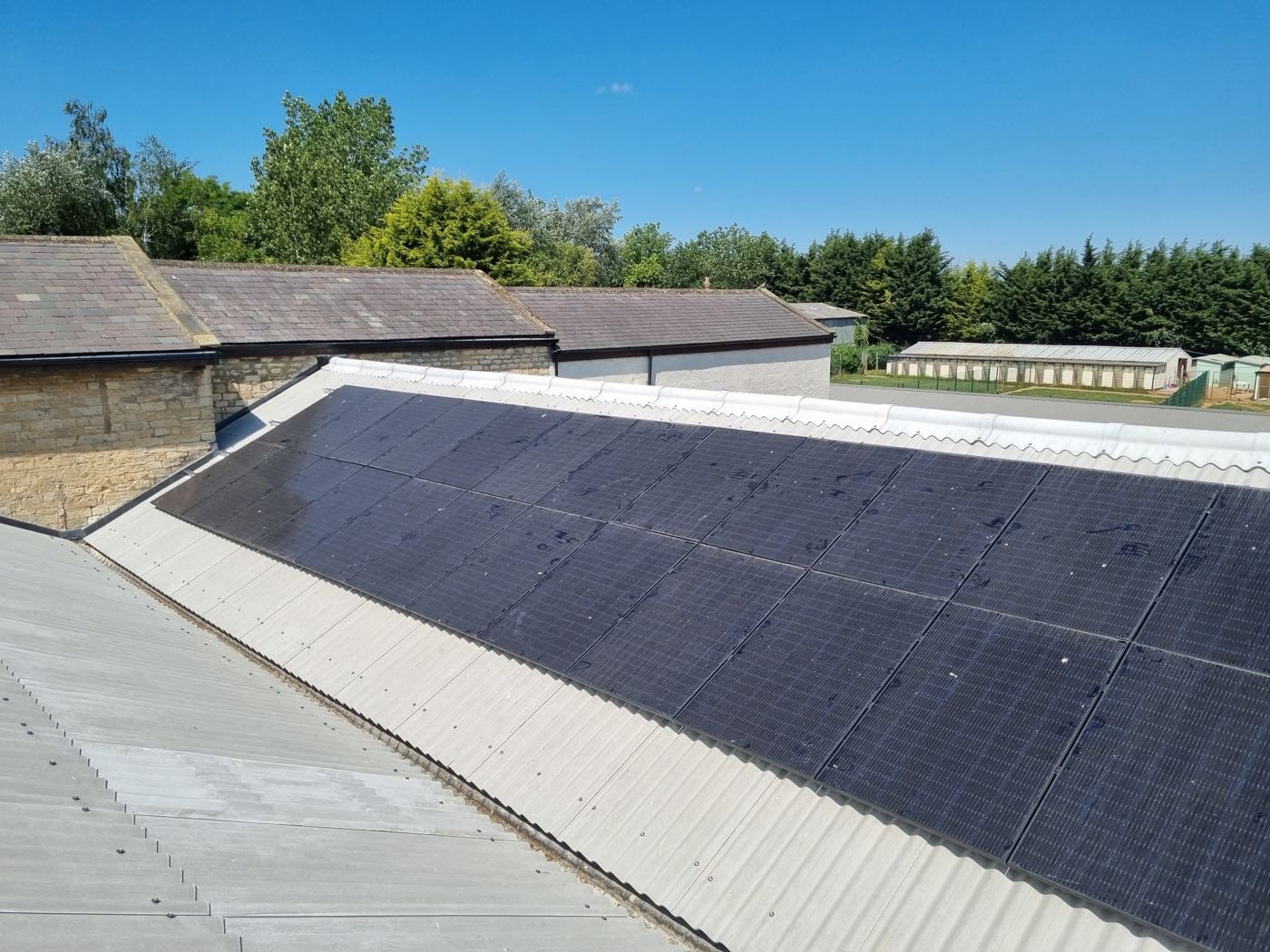
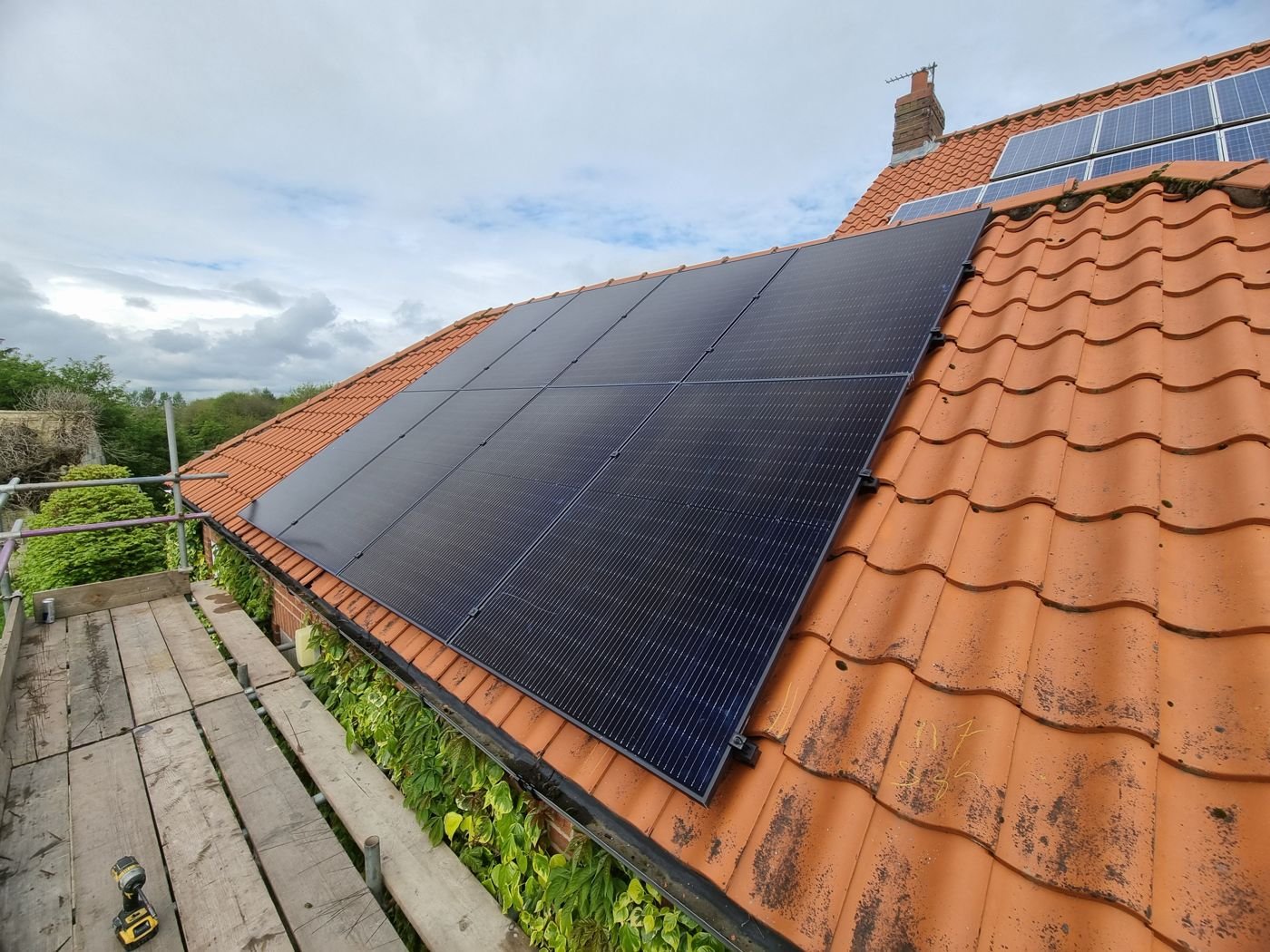
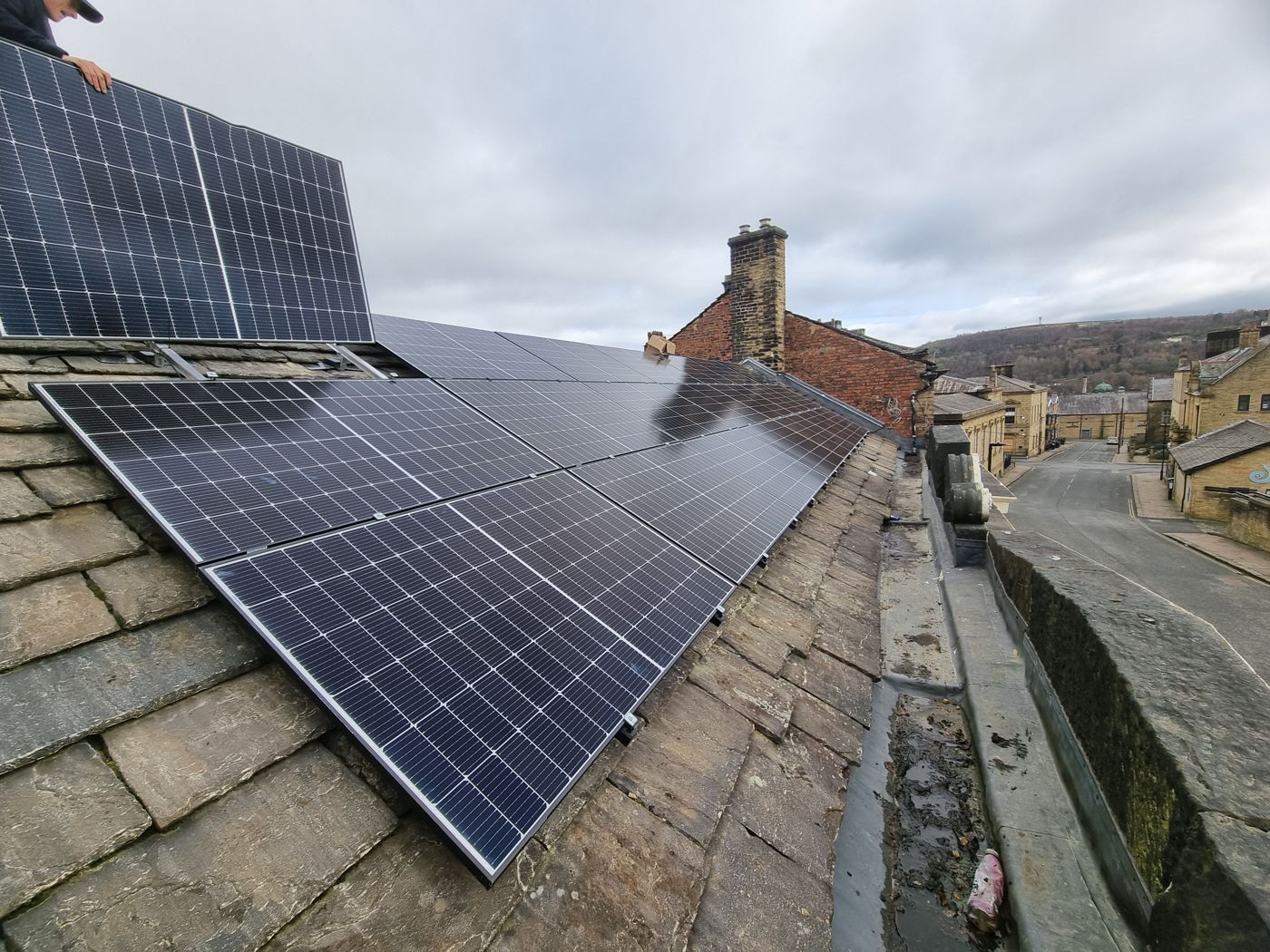
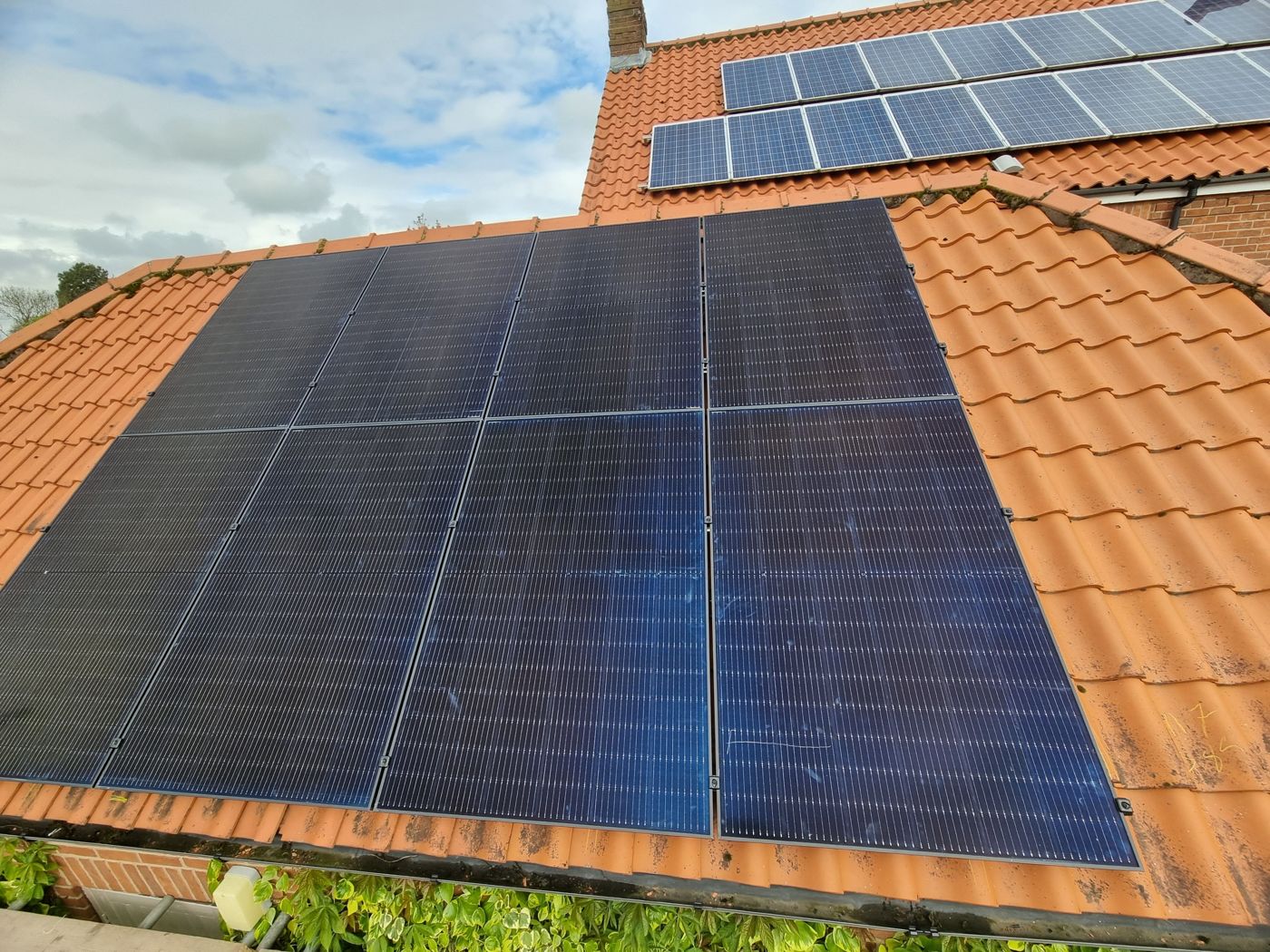
Photos from real UK installs. They show all-black panels, which have a black backsheet and frame, next to standard blue-frame panels, on different kinds of roof.